Designing a solar potential calculator empowering people in Austin to go solar
Solar Strong is an early-stage startup dedicated to building a sustainable future by making solar energy estimates accessible and transparent for Austin’s residents and businesses.
Problem / Opportunity
Solar energy is becoming more affordable and widely adopted, but for many people, it remains challenging to get clear and transparent solar potential estimates. Homeowners and business owners often don’t know if their property is suitable for solar or what benefits they can expect. Solar Strong was created to close this gap - by making solar potential easy to understand, transparent, and accessible from the very first step.
My Role
Gathering insights
I began the project by conducting two rounds of interviews with the founder to understand our goals, challenges, and user needs. The solar energy industry was entirely new to me, so I had to quickly grasp its complexities to make a meaningful impact.
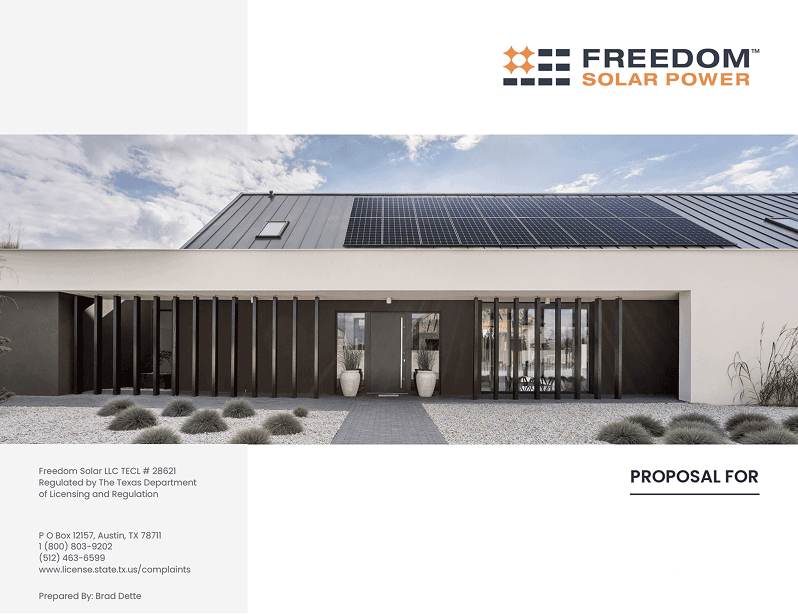
To build a strong foundation, I analyzed survey reports, articles, and real solar proposals to understand solar adoption barriers and customer concerns.
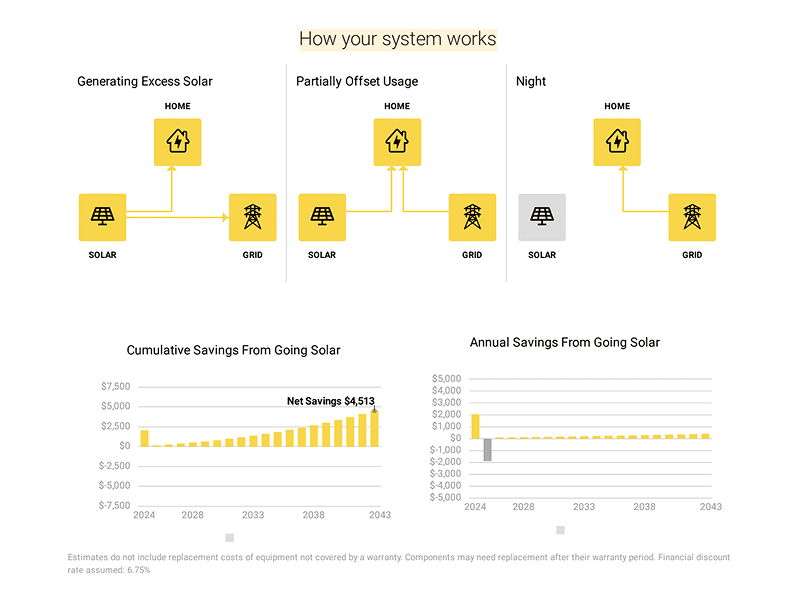
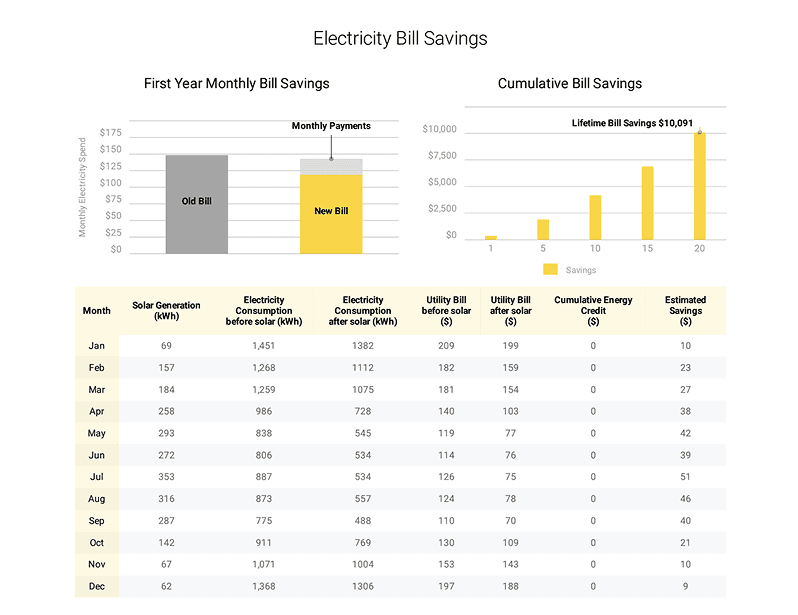
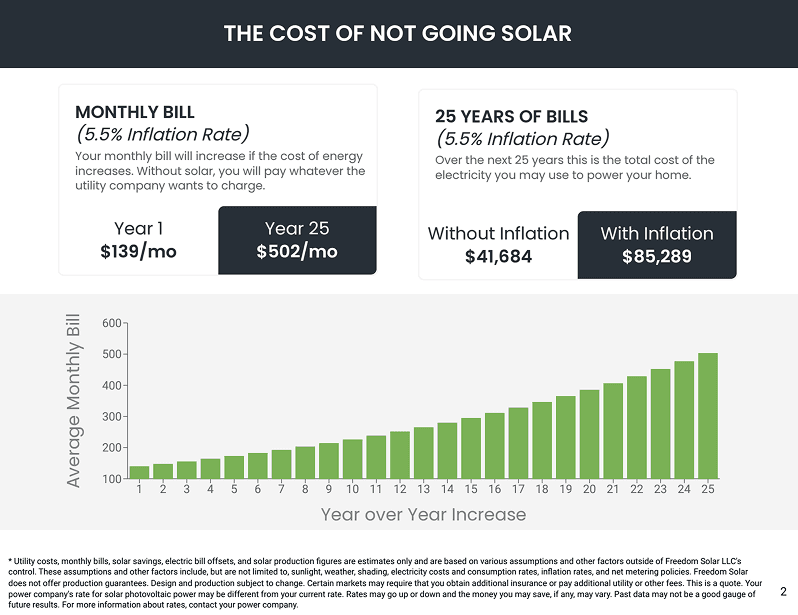
I've found some common tendencies in solar proposals: they often require a PDF download, provide rough estimates, hide total costs, use cluttered graphics, and focus on losses rather than clear benefits.
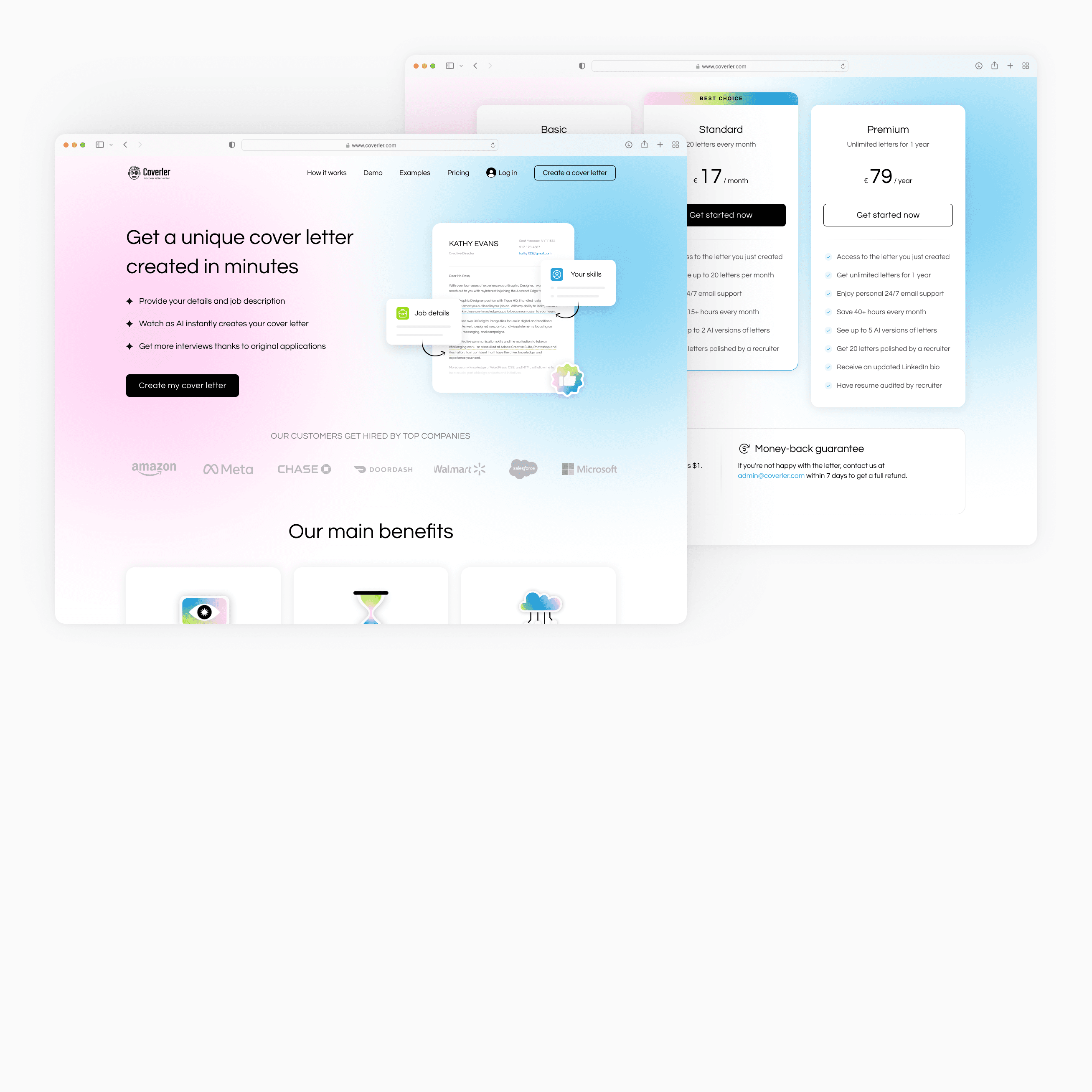
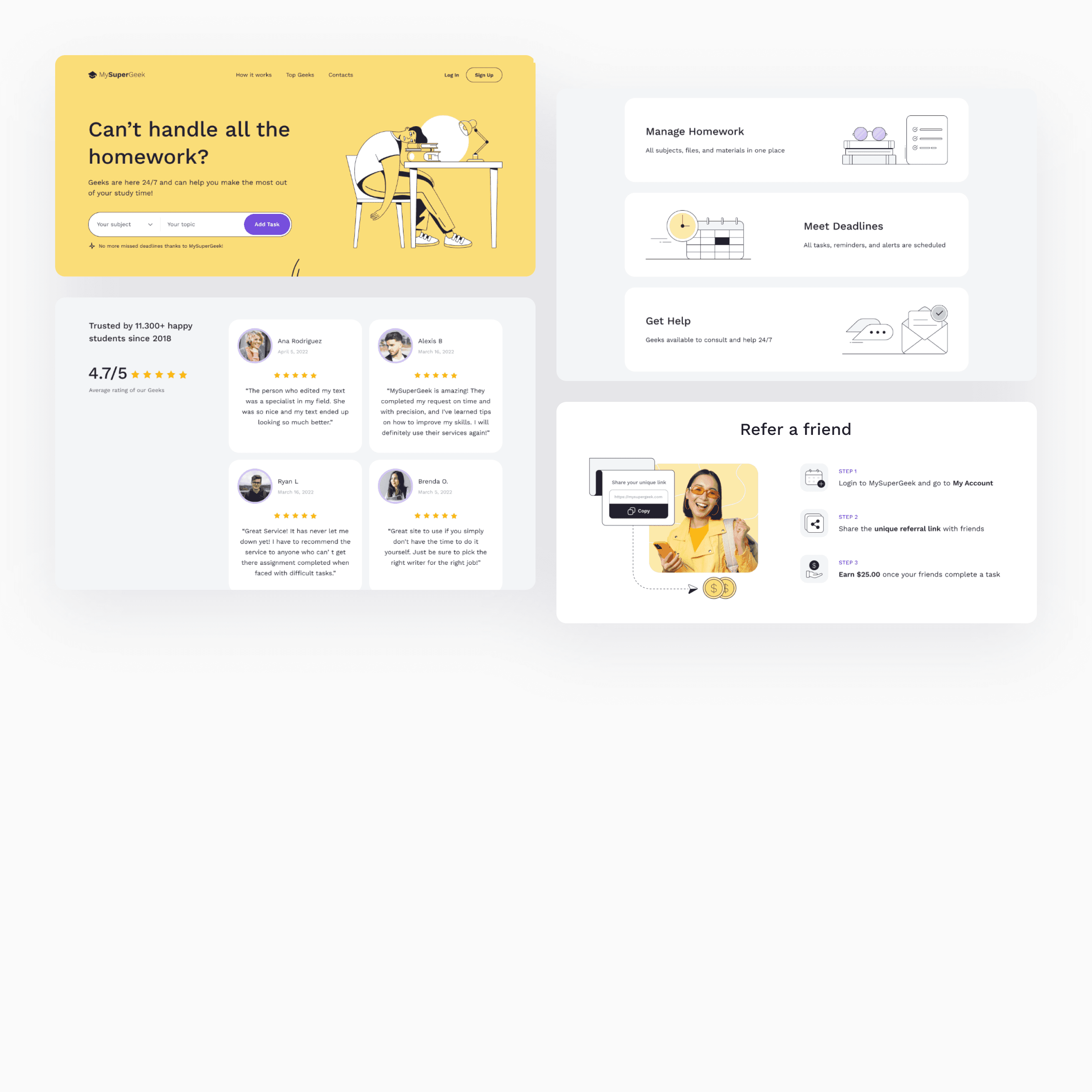
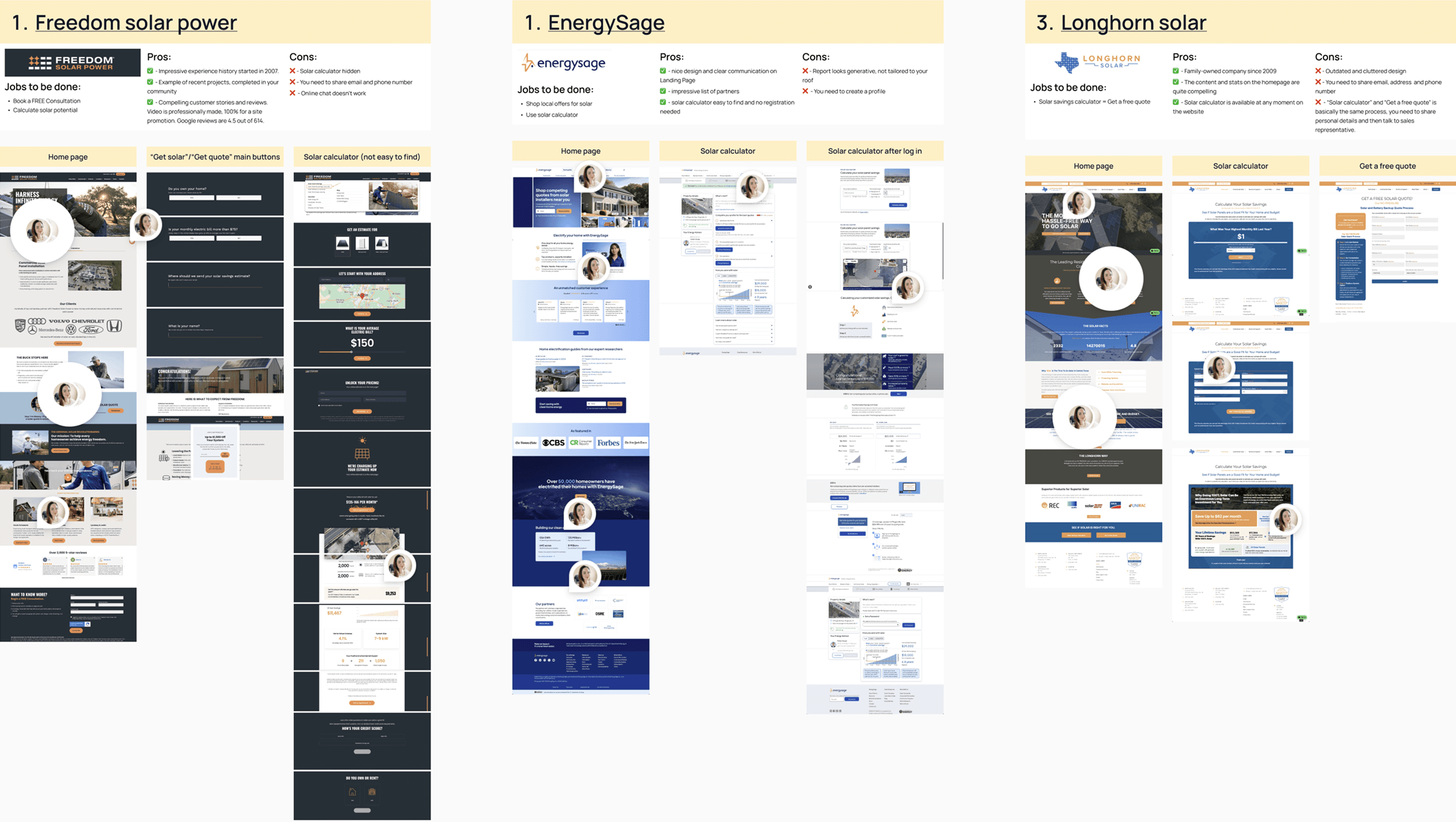
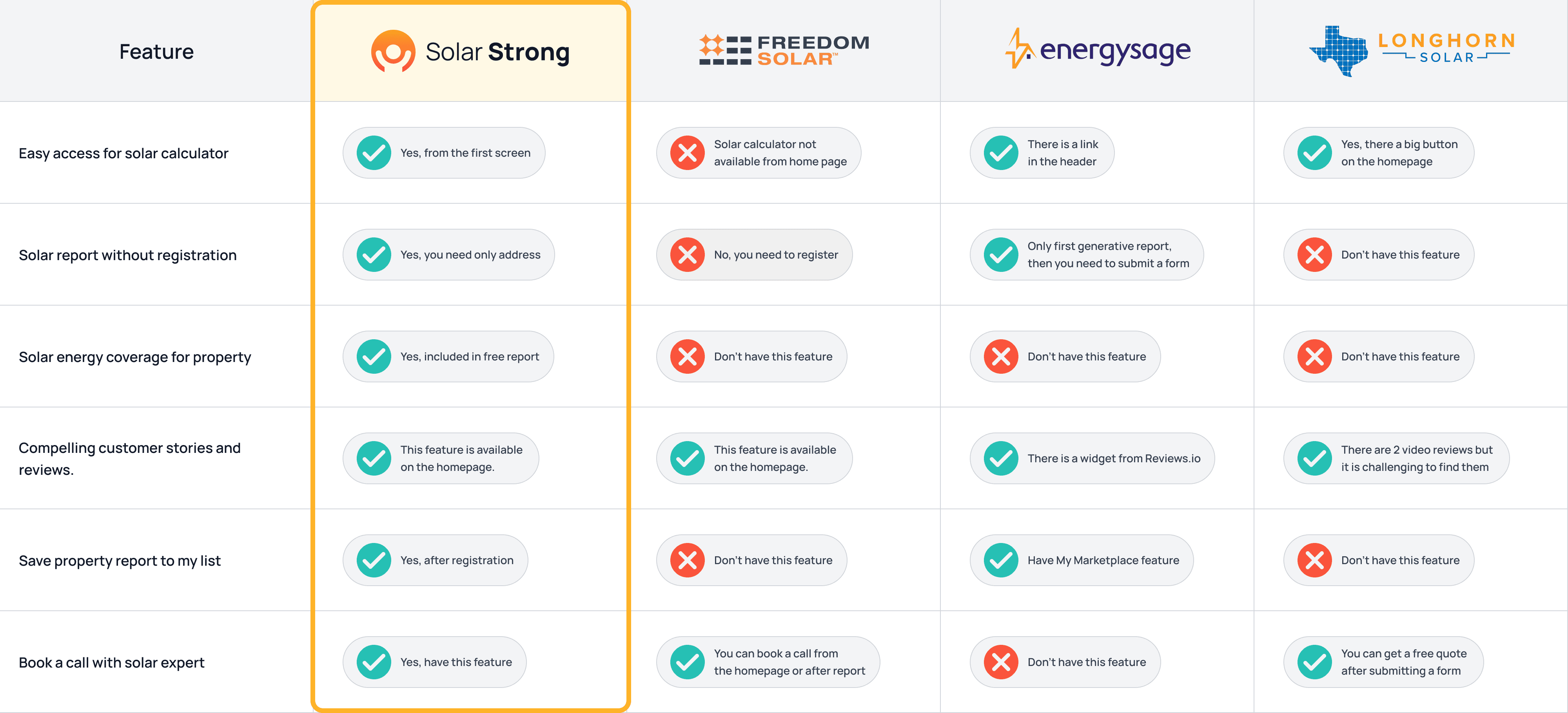
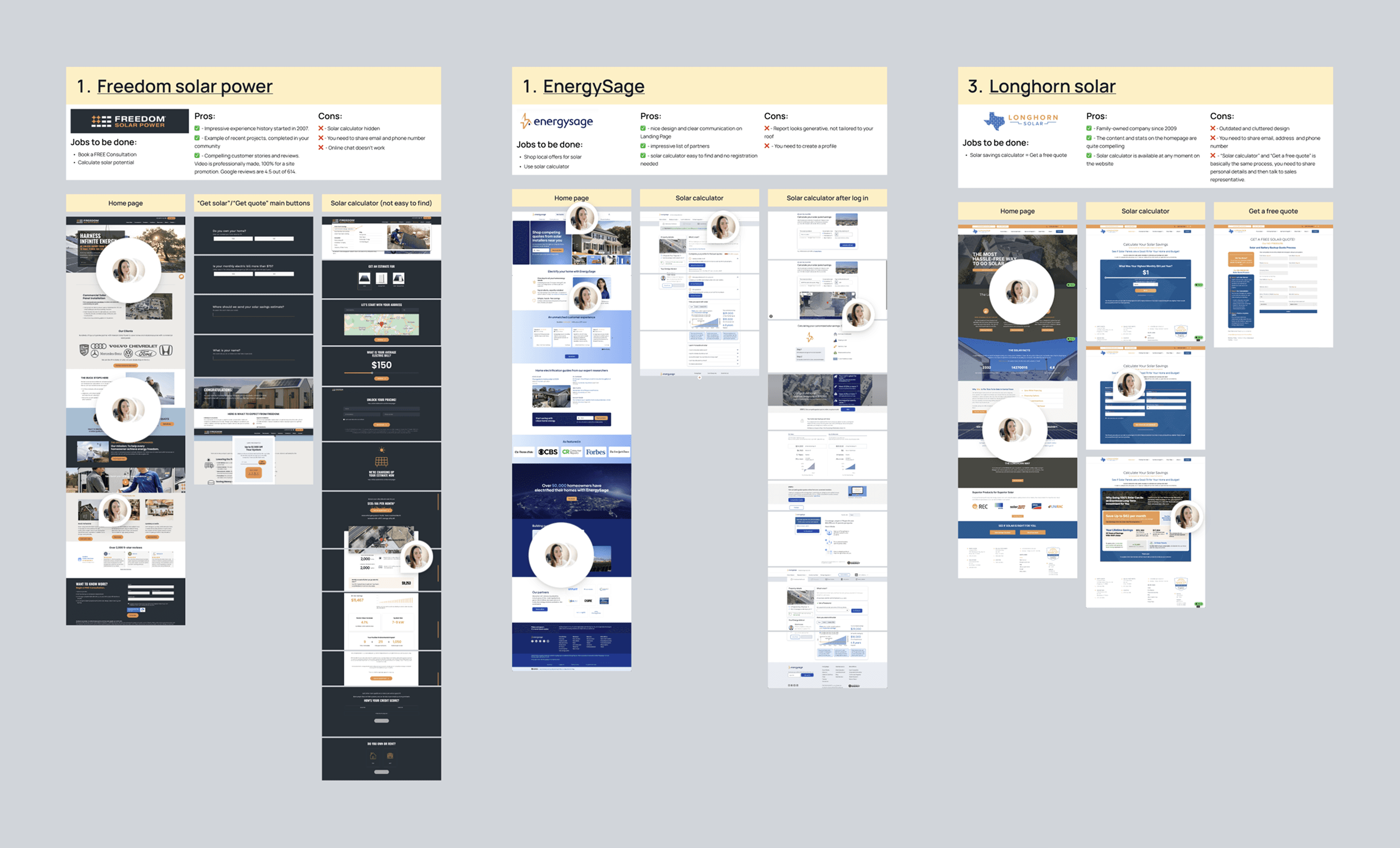
Competitor Analysis
Understanding the user
To better understand our users, their motivations, and concerns, I initiated user research. We aimed to learn how people perceive solar energy, what motivates them to consider it, and what concerns they have about installing panels on their property. We also explored their past experiences, including whether they or their family had received solar estimates before.
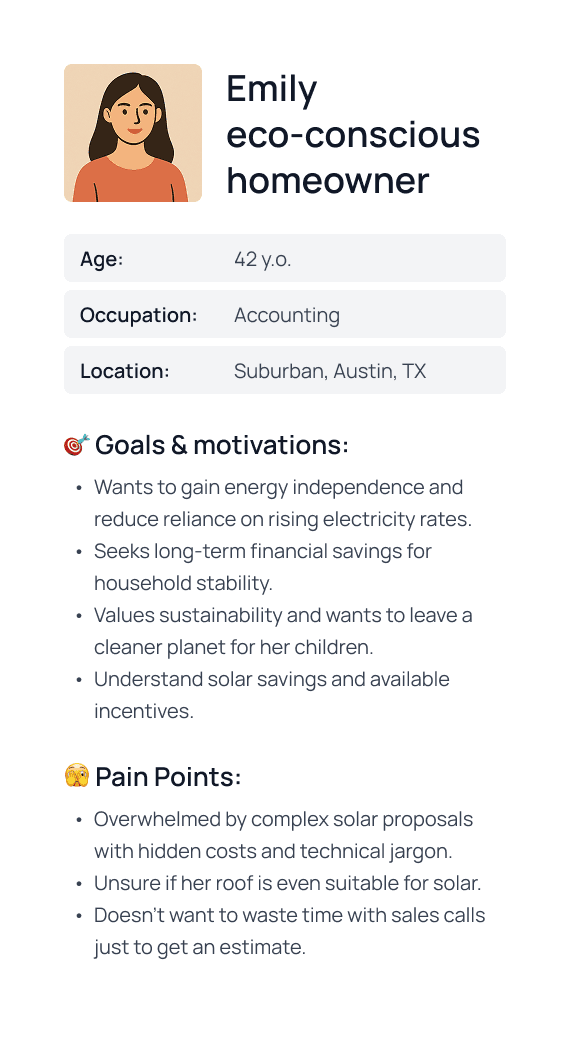
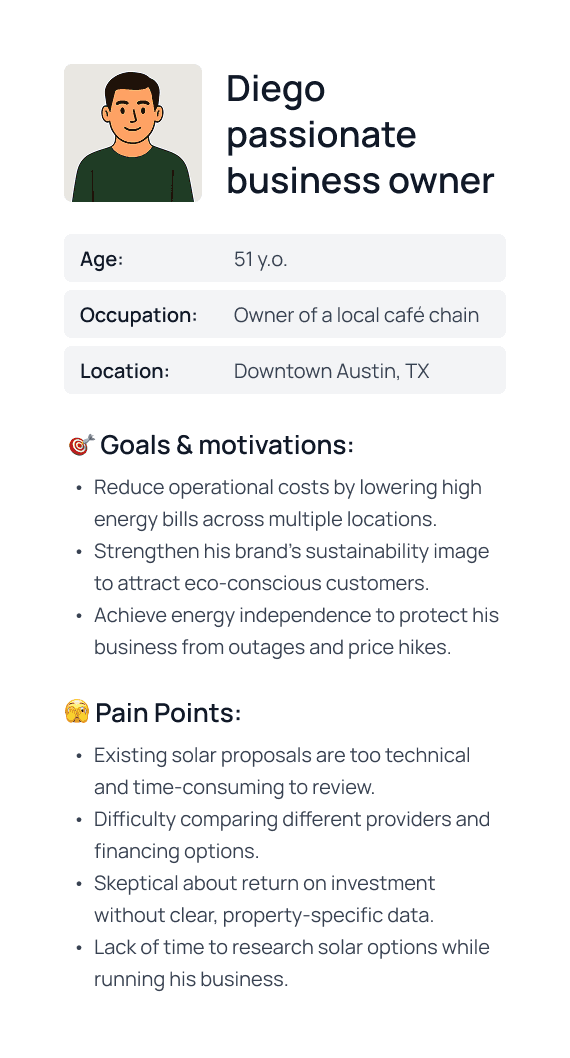
I prepared a research plan, participant screener, and survey questions to gather initial insights. Based on insights from our survey and analysis of the TEPRI report on attitudes toward solar, we identified two primary types of user groups:
Homeowners seeking energy independence and long-term savings.
Business owners aim to reduce energy costs, strengthen their brand reputation, and support sustainability efforts.
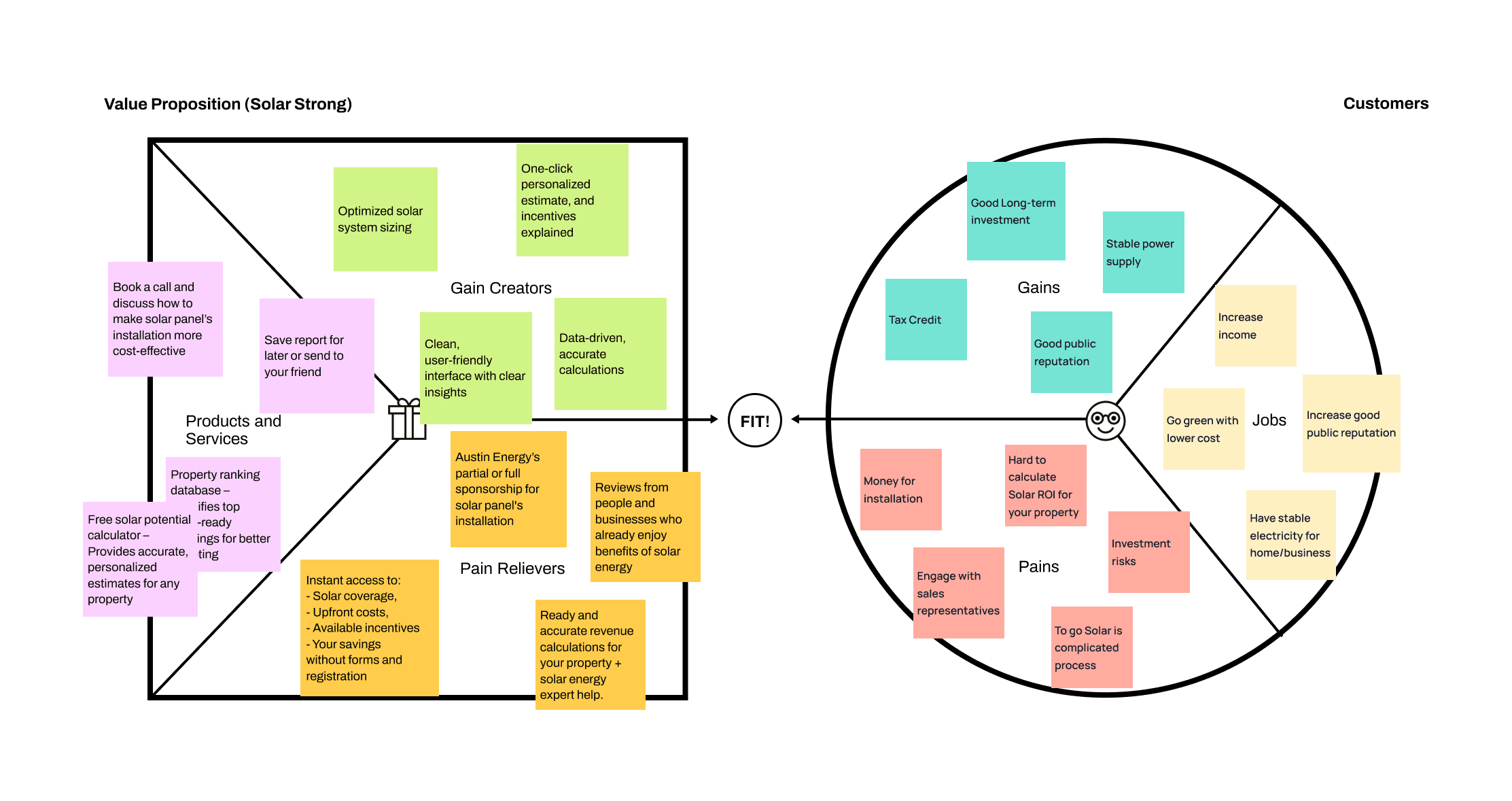
Key findings
Most people (76%) view solar energy positively, considering it a reliable way to generate power. The top benefits they mentioned were lowering monthly bills (72%), achieving long-term savings (49%), and contributing to environmental sustainability (49%).
Potential customers face challenges like:
Lack of transparency in estimates. The total cost involves factors like design, installation, permitting, tax credits, incentives and financing options, which aren’t always broken down clearly for customers. Additionally, solar revenue estimates are frequently overstated, leading to unrealistic expectations.
Sales-driven interactions. People are often required to share personal information, fill out lengthy forms, and engage with sales representatives to obtain an initial quote. This can be overwhelming and discourages them from exploring solar options further.
Lack of consumer awareness. Many people don’t know about available incentives, cost savings, or how solar panels could affect their property taxes. They’re also unsure if their roofs are suitable for solar, which makes them hesitate to get quotes or start installations.
Project goal
Enable faster adoption of rooftop solar energy production for homeowners and businesses in Austin contributing to a sustainable future.
Solution
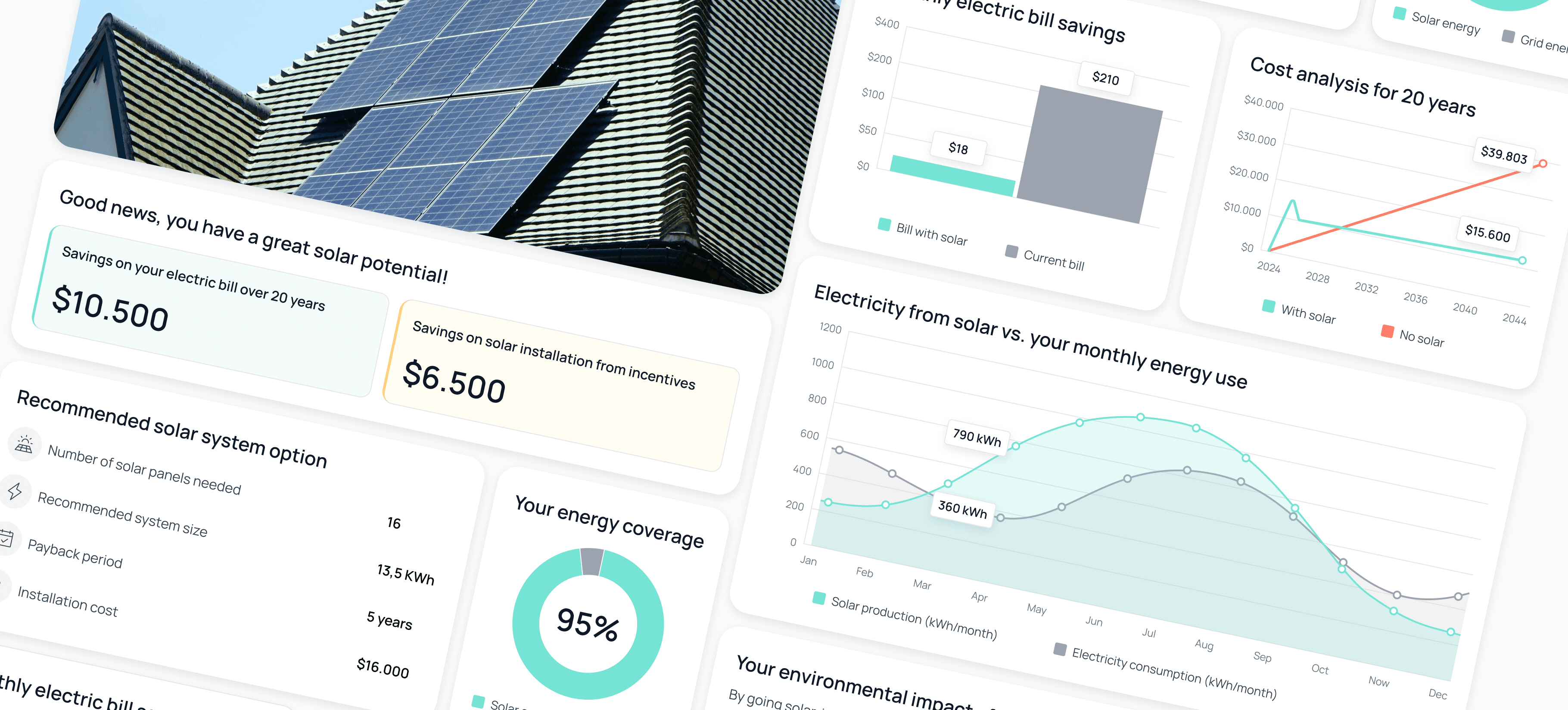
Design a free and user-friendly tool for instant solar potential calculations, showing precise estimates of solar energy coverage, upfront costs, electricity savings, and available incentives.
Establishing structure & flow
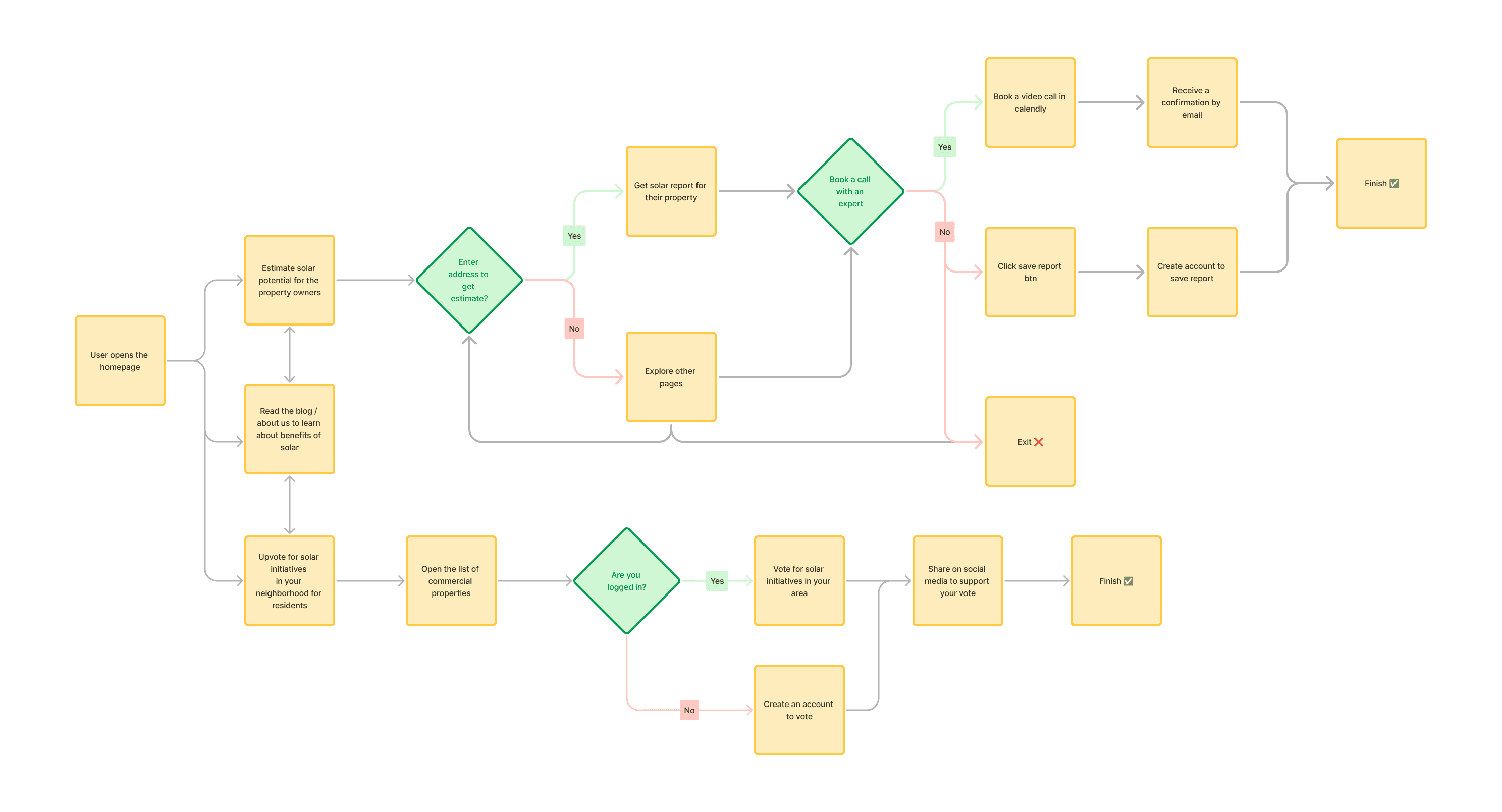
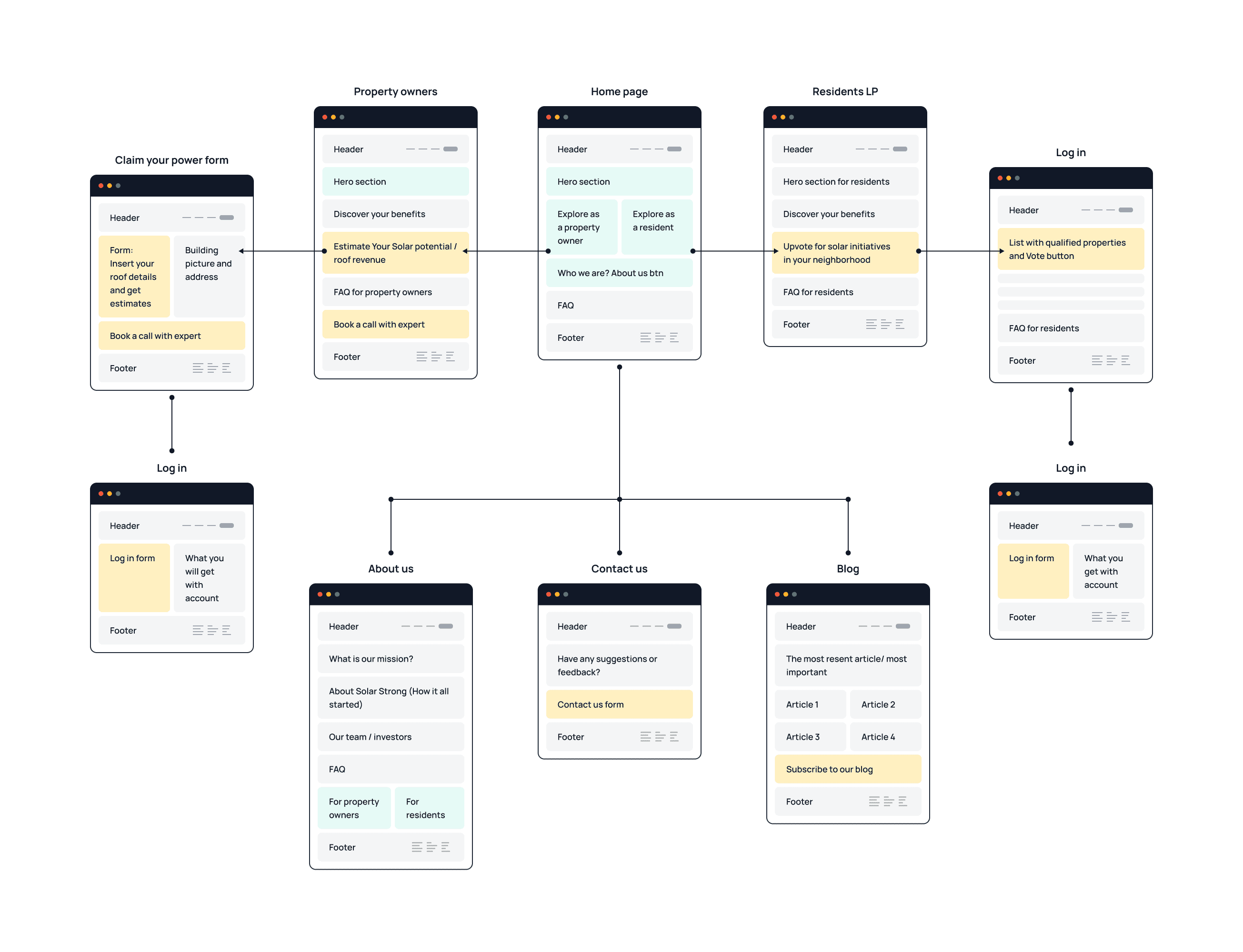
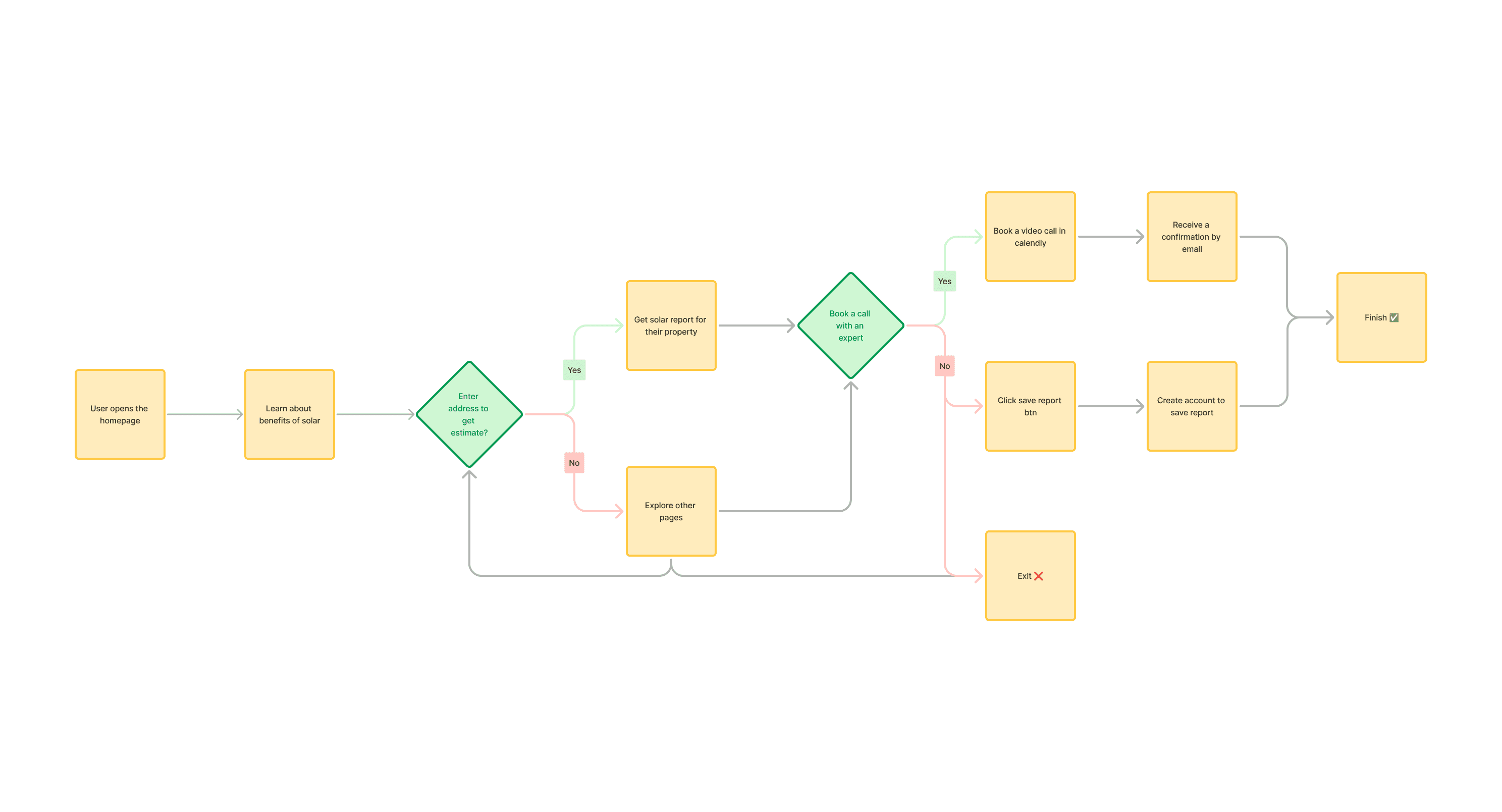
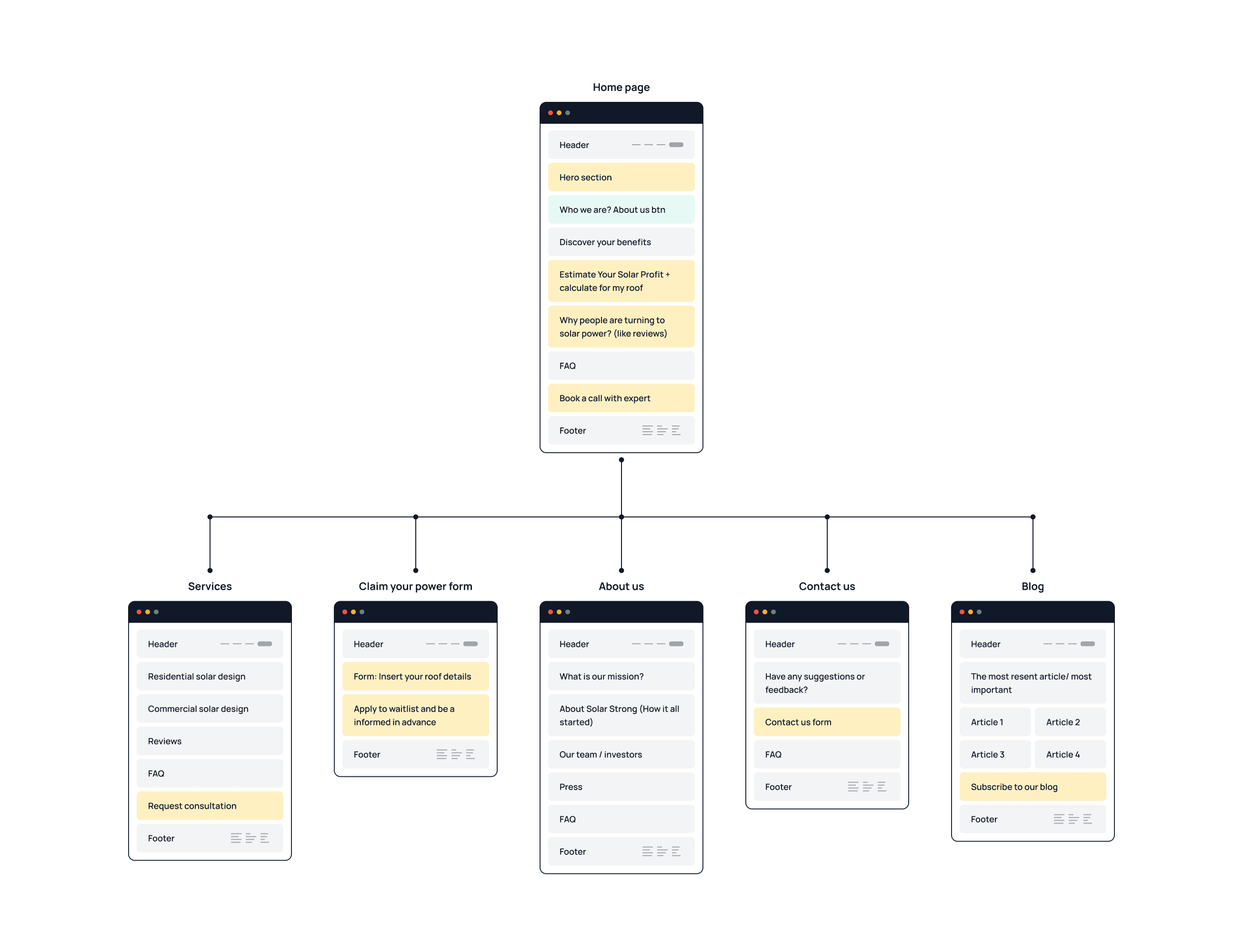
For this project, I prioritized a desktop-first experience and designed the initial user flow based on user goals and product requirements. After several collaborative sessions with the founder, we decided to simplify the flow to speed up the MVP launch, saving community features for future updates. The final flow reflects this approach - users start by entering their property address, view a personalized solar potential report, and can save results or connect with an expert. This simple structure ensures users get value quickly.
Building the component library
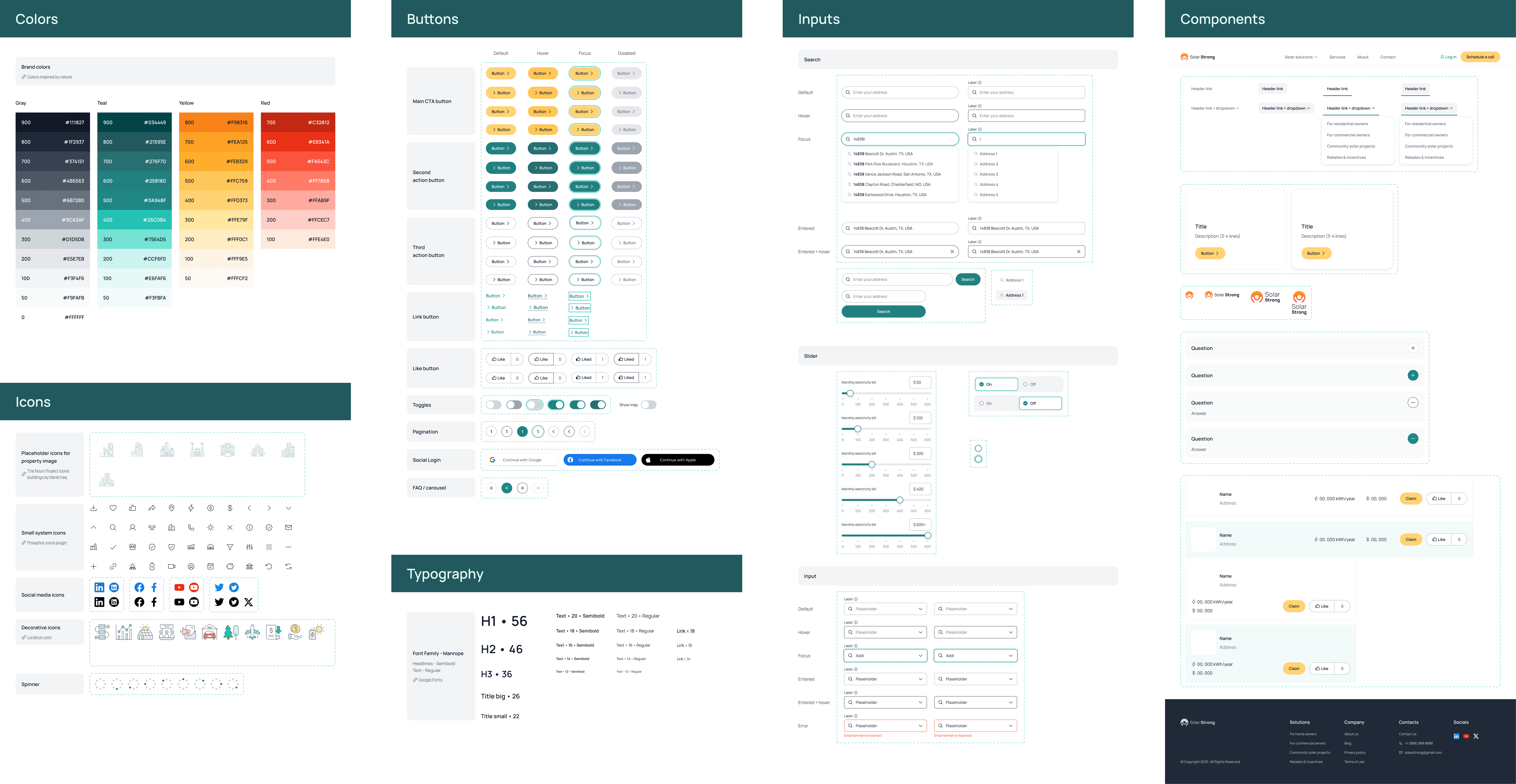
To keep the project consistent and scalable, I built a component library that included buttons, form fields, cards, colors, typography styles, and more. Establishing a library helped speed up iteration cycles and make future handoffs to developers more efficient. Also, it is easier to keep the interface clean and scalable as we expand features.
High-Fidelity Design
Once the structure and components were finalized, I created high-fidelity designs in Figma to bring the Solar Strong experience to life. The interface focused on clarity, trust, and usability, allowing users to easily understand their solar potential and savings.
I built clickable prototypes in Figma to demonstrate key user interactions - from entering a property address to viewing personalized reports. These prototypes were later presented to partners and investors to showcase the product’s vision and gather valuable feedback for future development.
Outcomes & Future Scope
The Solar Strong project was an significant step toward making solar energy more transparent and accessible through digital tools. I’m grateful for the opportunity to take part from the very first idea to the final design deliverables.
This project gave me hands-on experience designing a desktop-first web app and helped me better understand both the opportunities and challenges within the solar industry.
What I’d improve moving forward:
Develop a mobile version of Solar Strong
Conduct usability testing to refine and validate the user experience
Allow residents to vote for local solar initiatives motivating businesses to go solar.
Thanks for watching!
Enjoyed my work? Let’s connect and explore opportunities!